As you age, you might notice everyday tasks like opening a jar or getting up from a chair becoming a bit more challenging, with that subtle sense of weakness sneaking in over time. This gradual loss of muscle strength and mass, known as sarcopenia, affects many people after 60, quietly impacting mobility, energy levels, and overall independence. It’s frustrating to feel your body not responding as it once did, especially when simple activities start requiring extra effort or assistance. But here’s a thought-provoking angle: certain dietary choices could play a role in this process, and understanding them might help you make informed adjustments. Stick around as we delve into the details, and by the end, you’ll uncover a surprising food group often linked to this issue—along with practical swaps to consider.

Understanding Muscle Loss in Later Years
Sarcopenia is a natural part of aging, where muscle tissue decreases and strength fades. It often ramps up after age 60 due to factors like reduced physical activity and changes in how the body processes proteins.
But the truth is, lifestyle elements, including diet, can influence its pace. Chronic low-grade inflammation in the body, sometimes called “inflammaging,” has been highlighted in studies as a key accelerator.
Research from organizations like the National Institutes of Health suggests that ongoing inflammation can interfere with muscle repair and maintenance. This makes it worth examining what might be fueling that inflammation through everyday eating habits.
You might be wondering how food fits into this picture. Let’s break it down step by step.
The Role of Diet in Muscle Health
What you eat can either support muscle preservation or potentially hinder it. For instance, diets rich in anti-inflammatory foods may help maintain strength, while others could do the opposite.
Studies published in journals like the Journal of Gerontology indicate that certain food patterns are associated with higher inflammation markers, which in turn link to faster muscle decline.
This isn’t about blaming specific meals but about awareness. The key is identifying patterns that research connects to these changes.
And here’s where it gets interesting: one food category stands out in multiple studies for its potential ties to increased inflammation.
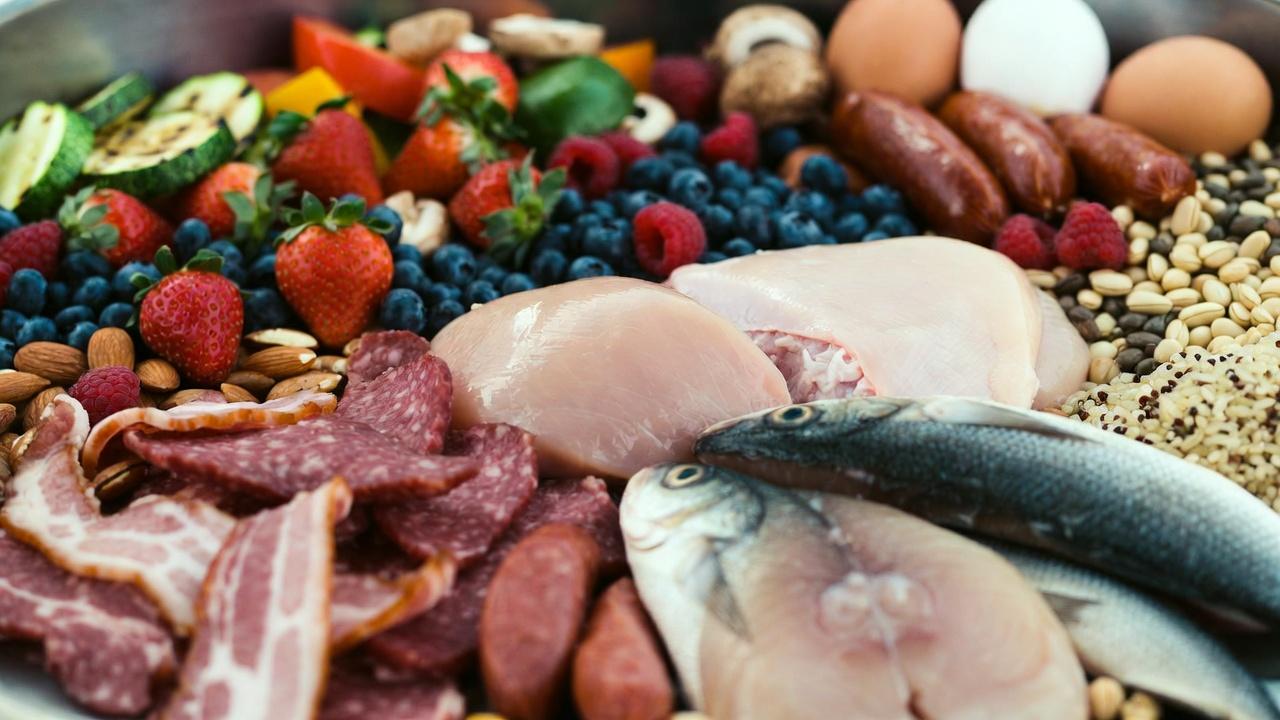
Spotlight on Processed Meats: A Closer Look
Processed meats, such as bacon, sausages, deli meats, and hot dogs, are convenient staples in many diets. They’re quick to prepare and often flavorful, making them popular among busy seniors.
However, research from sources like the World Health Organization classifies many processed meats as potentially problematic due to their processing methods, which can introduce compounds that promote inflammation.
For example, a study in the American Journal of Clinical Nutrition found associations between high processed meat intake and elevated levels of C-reactive protein (CRP), a marker of inflammation.
This inflammation might subtly affect muscle cells over time, contributing to sarcopenia’s progression. But that’s not all—let’s explore the specific elements involved.
Hidden Sodium and Its Effects
Processed meats are often loaded with sodium for preservation and taste. High sodium intake can lead to fluid retention and increased blood pressure, which may indirectly stress the body.
According to guidelines from the American Heart Association, excessive sodium could exacerbate overall health strains, including those on muscles.
Imagine enjoying a daily sandwich with deli ham, not realizing the salt buildup. Moderating this can be a simple start—try checking labels for lower-sodium options.
Nitrates and Preservatives at Play
Many processed meats contain nitrates and other preservatives to extend shelf life and enhance color. Some research suggests these can form compounds that contribute to oxidative stress.
A review in the journal Nutrients discussed how these additives might interact with the body’s systems, potentially amplifying inflammation.
If you’re a fan of quick breakfast sausages, consider experimenting with nitrate-free varieties or fresh alternatives to see how it feels.
Saturated Fats in the Mix
These meats tend to be high in saturated fats, which studies link to pro-inflammatory pathways. For instance, research from Harvard’s T.H. Chan School of Public Health notes that diets heavy in saturated fats may influence cytokine levels, proteins involved in inflammation.
Swapping bacon for leaner proteins could help balance this. It’s about quality over quantity in your fat sources.
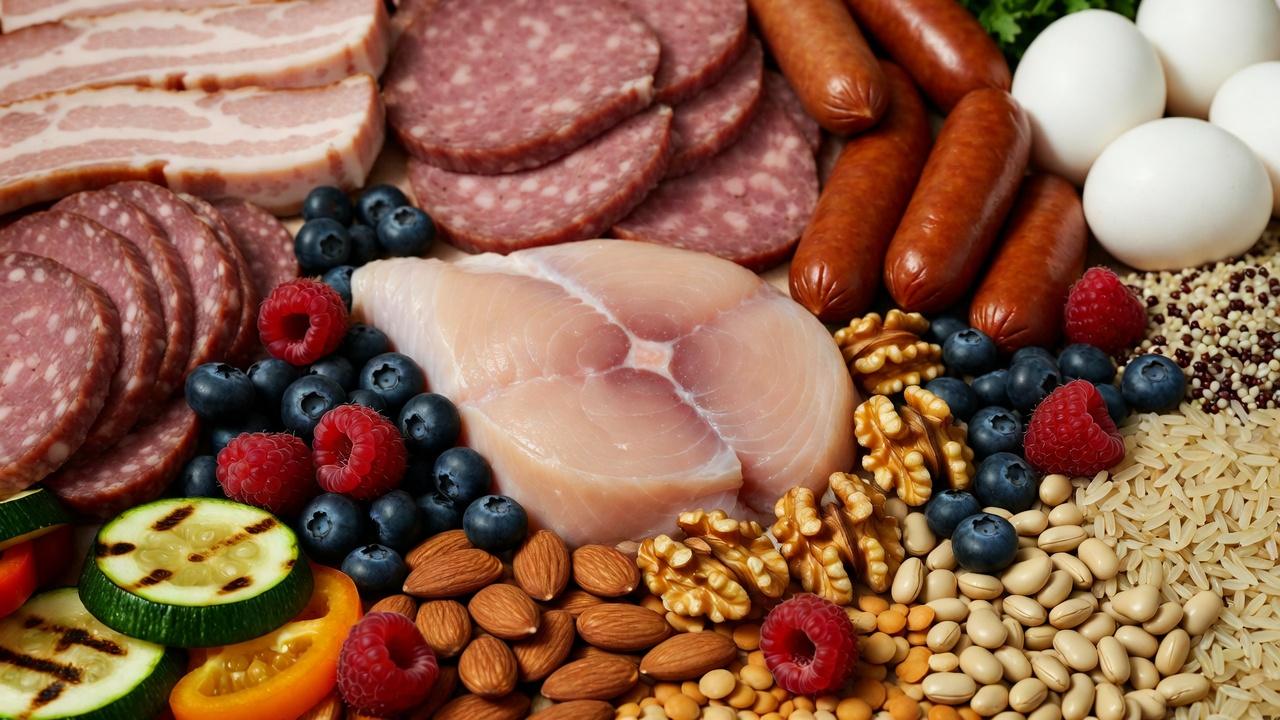
Pro-Inflammatory Compounds from Processing
The cooking and processing of these meats can create advanced glycation end-products (AGEs), which are tied to increased inflammation in the body.
Studies in Aging Cell journal explore how AGEs might accelerate age-related changes, including in muscles.
Reducing intake of heavily processed items might minimize exposure. Fresh grilling or baking at home offers control.
Protein Quality Considerations
While processed meats provide protein, their biological value—how well the body uses it—may be lower compared to whole sources due to processing.
Experts from the International Osteoporosis Foundation emphasize prioritizing high-quality proteins for better muscle synthesis.
Mixing in eggs or legumes can enhance your protein profile without relying solely on processed options.
Indirect Blood Sugar Impacts
Pairing processed meats with refined carbs, like in a typical sandwich, might contribute to blood sugar fluctuations over time.
Research in Diabetes Care suggests that stable blood sugar supports overall metabolic health, which ties into muscle maintenance.
Opting for whole-grain pairings or veggie wraps could make a difference.
The Habit of Convenience
These foods are easy to grab, leading to frequent consumption without much thought. Over time, this habit can add up.
Anecdotal reports from nutritionists highlight how small, consistent choices accumulate effects.
Planning weekly meals in advance helps break the cycle and introduces variety.
Chronic Inflammation as the Core Concern
At the heart of it, the combination in processed meats—fats, additives, and processing—appears to elevate inflammation markers most notably.
Meta-analyses in PLOS Medicine support stronger associations with processed meats compared to other categories.
Shifting focus to whole foods might offer a gentler approach to supporting your body’s natural processes.
Better Alternatives to Support Muscle Health
Now, let’s shift to positive changes. Research encourages incorporating anti-inflammatory foods to potentially offset some aging effects.
For example, fresh poultry or fish provide protein without heavy processing. Studies show omega-3s in fish like salmon may help with inflammation.
But wait, there’s more—plant-based options abound.
- Berries and Nuts: Packed with antioxidants, they combat oxidative stress. Aim for a handful daily.
- Grilled Vegetables: Low in calories but high in nutrients; try zucchini or bell peppers for easy sides.
- Eggs and Legumes: Excellent protein sources with high bioavailability. Scramble eggs or add chickpeas to salads.
- Whole Grains: Like quinoa or oats, for sustained energy without spikes.
Here’s a simple comparison table to visualize swaps:
| Food Type | Potential Concern | Better Swap | Why It Helps |
|---|---|---|---|
| Processed Meats | High inflammation markers | Fresh Poultry/Fish | Lower additives, better fats |
| Sugary Snacks | Blood sugar disruptions | Berries/Nuts | Natural sugars, fiber-rich |
| Fried Foods | Oxidative stress | Grilled Veggies | Retains nutrients, less oil |
| Refined Proteins | Lower absorption | Eggs/Legumes | Complete amino profiles |
This table highlights straightforward adjustments.
Practical Steps to Make Changes
Ready to try? Start small for sustainability.
First, assess your current intake: Track processed meat consumption for a week using a simple journal.
Next, set a goal: Limit to occasional treats, say twice a week, and replace with alternatives.
Then, build habits: Incorporate resistance exercises, like light weights or bodyweight squats, twice weekly—studies show this pairs well with dietary tweaks.
Aim for 1.2 grams of protein per kilogram of body weight daily, from varied sources.
Monitor progress: Note energy levels or ease in daily tasks after a month.
These steps are actionable and low-pressure.
Wrapping Up: Empowering Your Choices
In summary, while aging brings natural changes, being mindful of foods like processed meats—which research links to higher inflammation—can inform your decisions for supporting muscle health.
Explore whole-food options and gradual habits to potentially enhance your vitality. Small swaps can add up over time.
Remember, this is about awareness, not drastic overhauls.
Frequently Asked Questions
What are some early signs of muscle loss in seniors? Common indicators include weaker grip strength, slower walking pace, or fatigue during routine activities. Research suggests monitoring these can help prompt lifestyle adjustments.
How much protein do older adults need daily? Guidelines from the Academy of Nutrition and Dietetics recommend about 1.2 grams per kilogram of body weight, spread across meals, to support muscle maintenance.
Can exercise alone prevent muscle decline? While physical activity is crucial, studies indicate combining it with balanced nutrition yields better results for overall strength preservation.
This information is for educational purposes only and is not intended as medical advice. Consult your healthcare provider before making any dietary or lifestyle changes.

Nhận xét
Đăng nhận xét