Living with kidney concerns often means paying close attention to your diet, particularly protein intake. Your kidneys have to process the waste products that come from breaking down protein, and over time, certain choices can make their job harder than it needs to be. This can leave you feeling tired, concerned about daily energy levels, and unsure about what to put on your plate each day. The good news is that making informed swaps with everyday foods can help you maintain nutrition without unnecessary strain — but what exactly are the smarter options, and which ones might be better to reduce?

Understanding Protein’s Role in Kidney Health
Protein is essential for keeping muscles strong, supporting your immune system, and giving you steady energy throughout the day. For anyone managing chronic kidney disease (CKD) or general kidney health, both the amount and the type of protein matter. Research shows that not all proteins affect the kidneys the same way. Many studies suggest that including more plant-based choices alongside quality animal sources can help reduce the overall workload on your kidneys while still meeting your body’s needs.
Why the Type of Protein Makes a Difference
Here’s what makes this so important: when your body breaks down protein, it creates waste that healthy kidneys filter out easily. With kidney concerns, that process can become more challenging. Animal proteins often come with higher levels of phosphorus and saturated fats, while many plant proteins tend to produce less acid and have phosphorus that your body absorbs differently. Choosing wisely can make your daily meals feel more manageable and supportive.
But that’s not all — some options stand out as especially practical for a kidney-friendly eating plan.
4 Proteins Worth Including in Your Kidney-Friendly Plan
These four choices are frequently highlighted by renal diet experts because they offer high-quality protein with features that may fit better into a balanced approach. Here’s a closer look:
- Egg whites: They provide complete protein with very little phosphorus compared to whole eggs. A simple egg-white omelet or scrambled whites can be an easy breakfast win.
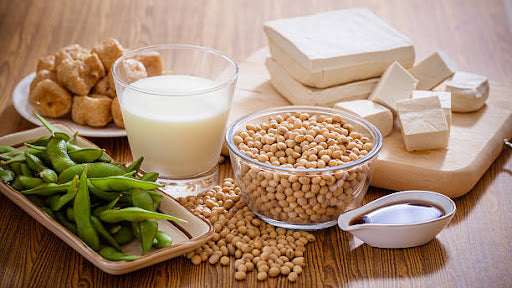
- Soy-based products like tofu, tempeh, and edamame: Soy offers a complete plant protein that many people enjoy in stir-fries or salads. Research on plant proteins suggests they may help with the renal acid load in some cases.
- Fish such as salmon or certain white fish: These deliver heart-friendly omega-3s along with quality protein. Opt for fresh or low-sodium canned varieties to keep things kidney-supportive.
- Skinless chicken or turkey breast: Lean poultry gives you solid protein without excess fat when prepared simply — think grilled or baked portions.
And here’s the part many people find encouraging: these options are versatile enough to rotate through the week without feeling restrictive.
6 Proteins You May Want to Limit or Choose Carefully
On the flip side, certain proteins can add extra sodium, phosphorus, or acid load that may be tougher for kidneys to handle. Limiting or swapping these can make a noticeable difference in how you feel day to day. Consider reducing:
- Red meats like beef and pork: These tend to create more acid during digestion, which some studies link to greater kidney workload over time.
- Processed meats such as bacon, sausages, and deli slices: They often pack high sodium and additives that can affect blood pressure and fluid balance.
- Organ meats like liver or kidney: Extremely high in phosphorus, making them one to enjoy only occasionally or avoid if your levels are already a concern.

- Full-fat dairy products and aged cheeses: These can contribute significant phosphorus and potassium that add up quickly.
- Nuts and seeds (in large amounts): While nutritious, they’re concentrated in phosphorus and potassium — a handful goes a long way.
- Commercial protein bars or supplements with added phosphorus: Many contain additives that aren’t ideal for kidney health; always check labels.
The key takeaway? It’s not about eliminating everything you love — it’s about making smarter swaps most of the time.
Simple Actionable Tips You Can Start Today
Ready to put this into practice? These small steps can help you build habits that feel sustainable:
- Work with a registered dietitian to personalize your daily protein target based on your CKD stage and lab results.
- Aim for roughly half your protein from plant sources when possible — it’s an easy way to mix things up.
- Keep portions in check: a 3-ounce serving of lean protein is often plenty for one meal.
- Rinse canned beans or choose low-sodium versions to lower sodium and phosphorus.
- Try new recipes like tofu vegetable stir-fry, baked fish with herbs, or egg-white breakfast wraps.
But wait — there’s one more practical strategy that ties everything together.
Track how you feel after a week of these changes. Many people notice steadier energy and less worry about mealtime decisions. Small, consistent choices really do add up.
Putting It All Together for Long-Term Success
Navigating protein choices doesn’t have to feel overwhelming once you know which options fit your kidney-friendly goals. By focusing on the four supportive proteins and being mindful of the six to limit, you can enjoy satisfying meals while giving your body the nutrition it needs. Remember, every positive step counts toward feeling more in control of your health.
FAQ
How much protein do I need if I have kidney concerns?
Needs vary by stage, body weight, and whether you’re on dialysis. People not on dialysis often do well with 0.6–0.8 grams per kilogram of body weight, but your doctor or dietitian will give you the exact target.
Is soy protein a good choice for kidney health?
Many experts consider moderate amounts of soy products like tofu and edamame suitable as part of a varied plan because of their plant-based profile. Portion control and label reading still matter.
Can I still enjoy meat with kidney issues?
Yes — lean poultry and fish can be included in moderation. The goal is balance and choosing quality sources while keeping an eye on overall intake.
Disclaimer: This article is for informational purposes only and is not a substitute for professional medical advice. Please consult your healthcare provider or a registered renal dietitian before making any changes to your diet. Individual needs vary based on your specific health situation.


Nhận xét
Đăng nhận xét