You take off your shoes at home and suddenly feel a bit embarrassed noticing your dry, cracked heels or that strange burning sensation under your feet. You might brush it off as aging or just “standing too long,” but deep down, it keeps bothering you. What if these small signs are not just about your feet at all but something happening inside your body? Stay with me, because toward the end, I’ll share a simple daily habit that many people overlook but can make a real difference.

Why Your Feet Can Reflect Liver Health
Your body is like a connected system, not separate parts working alone. The liver plays a key role in filtering toxins, supporting digestion, and maintaining balance in your bloodstream.
When the liver is under stress, subtle signs may appear in areas far from it, including your feet.
Here is the interesting part
Your feet contain many nerve endings and blood vessels. Changes in circulation, fluid balance, or nerve sensitivity can sometimes show up there first.
Research suggests that chronic conditions affecting metabolism and circulation often present early warning signs in extremities like the feet.
But that is not all
Many people ignore these signals until they become uncomfortable or painful.
Common Foot Signs You Should Not Ignore
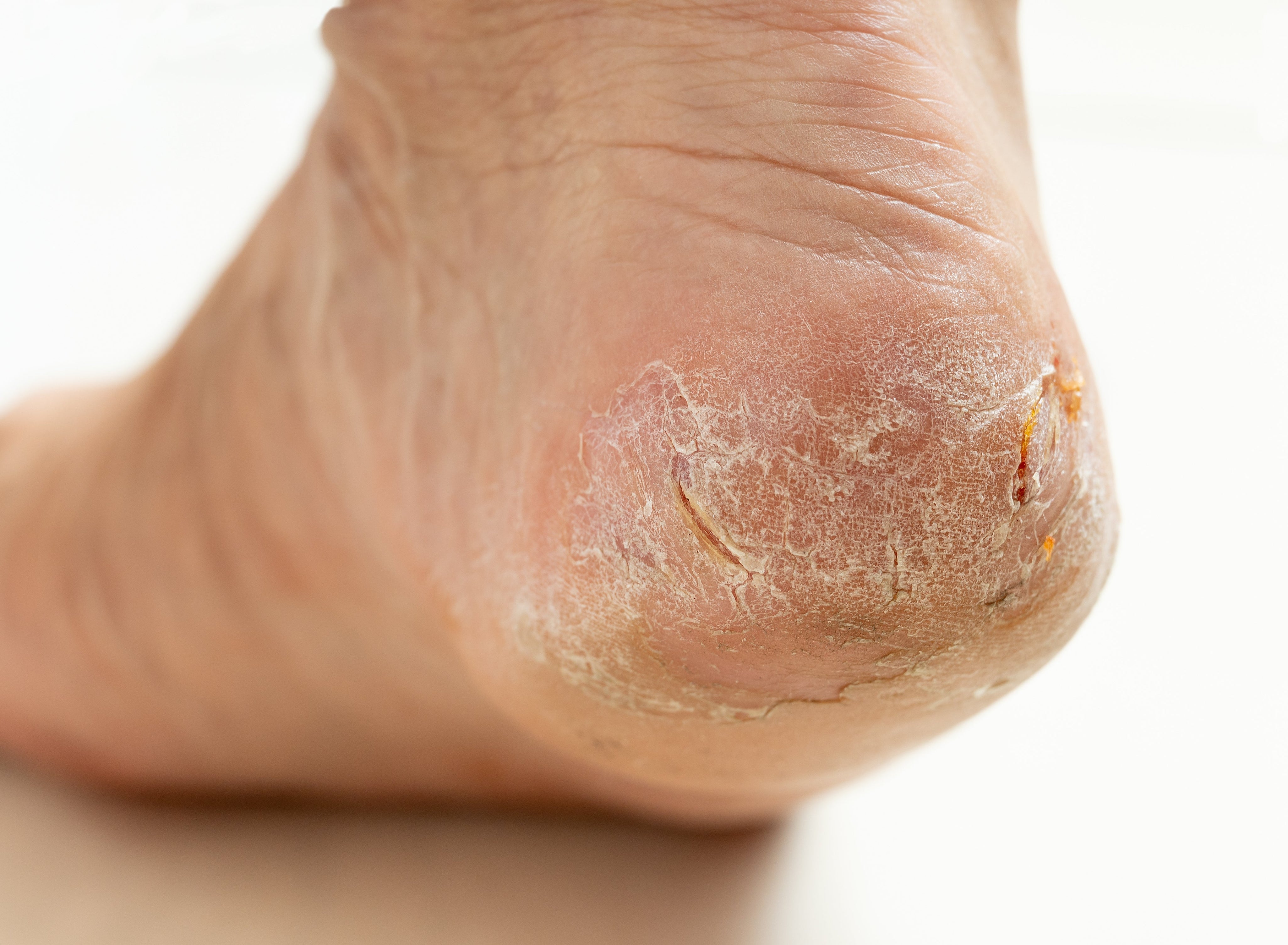
Let’s break this down in a simple way. These signs do not automatically mean a serious issue, but they are worth paying attention to.
Burning or Tingling Sensation
A persistent burning feeling in your feet can be linked to nerve sensitivity. When the liver is overwhelmed, toxin buildup may affect nerve signals.
Dry and Cracked Heels
Severely dry skin, especially when it does not improve with moisturizers, can reflect internal imbalance, including dehydration or poor nutrient processing.
Swelling in Feet or Ankles
Fluid retention is something many older adults notice. However, if swelling becomes frequent, it may be related to how your body manages fluids.
Itchy or Irritated Skin
Unexplained itching, especially without rash, is sometimes linked to internal changes rather than external skin problems.
Here is a quick comparison to help you understand better
| Foot Symptom | Common Cause | When to Pay Attention |
|---|---|---|
| Burning sensation | Nerve sensitivity | Happens frequently at night |
| Cracked heels | Dry skin or pressure | Does not improve with care |
| Swelling | Standing long hours | Appears even after rest |
| Itching | Skin dryness | Persistent without clear cause |
How the Liver and Circulation Affect Your Feet

The liver helps regulate blood composition and remove waste. When this process slows down, your circulation may not work as efficiently.
And here is where your feet come in
Feet are the farthest point from your heart, so they are often the first place where circulation issues show up.
You might notice
Cold feet even in warm weather
A heavy feeling when walking
Skin color changes or dullness
Studies in general health science indicate that reduced circulation can affect tissue repair and nerve function, especially in older adults.
But wait, it gets more interesting
These changes often happen gradually, making them easy to ignore.
Daily Habits That May Be Making Things Worse

Now let’s talk honestly, like family.
Sometimes the issue is not just age. It is daily habits that slowly build up over time.
Here are some common ones
• Sitting too long without movement
• Eating heavily processed or salty foods
• Not drinking enough water
• Wearing tight or poorly fitted shoes
• Frequent alcohol consumption
The truth is
These habits can affect both circulation and how your liver functions.
And yes, even small changes can add up over time.
Simple Daily Actions to Support Your Body

Here comes the part you have been waiting for.
You do not need anything complicated. Start with these simple steps
1. Move Your Feet Every Hour
Even if you are sitting, rotate your ankles or stretch your toes.
2. Stay Hydrated
Aim for regular water intake throughout the day. This supports circulation and overall balance.
3. Gentle Foot Massage
Use your hands or a small ball to massage the soles. This can improve blood flow and reduce tension.
4. Choose Comfortable Footwear
Avoid tight shoes that restrict circulation.
5. Watch Your Diet
Focus on whole foods like vegetables, fruits, and lean proteins.
Here is a quick routine you can follow daily
Morning
Stretch your feet for 2 minutes before getting out of bed
Afternoon
Walk for at least 10 minutes
Evening
Massage your feet and elevate them slightly
Simple, right
But powerful when done consistently.
When Should You Pay Closer Attention

Let’s be clear.
Not every symptom means something serious. But you should not ignore persistent changes.
Pay attention if you notice
• Swelling that does not go away
• Severe dryness with cracks or bleeding
• Constant burning or numbness
• Skin color changes
This is not about fear
It is about awareness.
Early attention can help you take better care of your body.
Conclusion
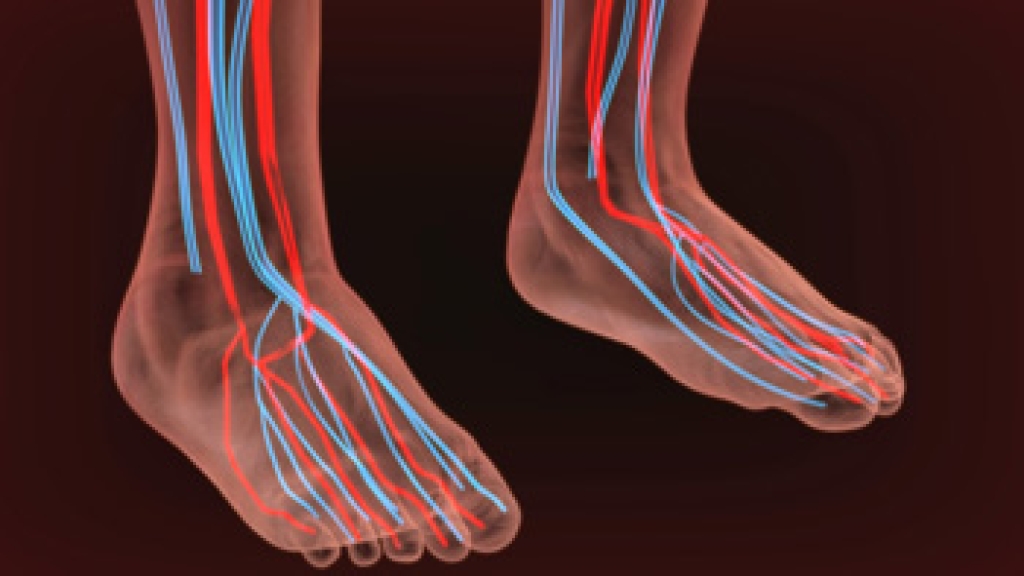
Your feet are not just carrying your body, they may also be quietly signaling what is happening inside. Small signs like dryness, burning, or swelling might seem harmless at first, but they deserve your attention. By improving daily habits and staying aware, you give your body a better chance to stay balanced and comfortable as you age. And remember that simple daily routine I mentioned earlier? The real secret is consistency, not perfection.
Frequently Asked Questions (FAQ)
1. Do foot symptoms always mean liver problems?
No. Many foot issues are caused by common factors like dry skin or standing too long. However, persistent symptoms should not be ignored.
2. Can improving lifestyle help reduce these symptoms?
Yes. Healthy habits such as staying active, hydrated, and eating balanced meals can support overall body function.
3. Is foot massage really helpful?
Gentle massage can support circulation and relaxation, which may help reduce discomfort in the feet.
Disclaimer
This article is for informational purposes only and does not replace professional medical advice. If you have ongoing or concerning symptoms, please consult a qualified healthcare provider


Nhận xét
Đăng nhận xét