You sit down after a long day, then stand up and suddenly your hips feel stiff and sore. It is the kind of pain that makes you glance around to see if anyone noticed you struggling to move. Many older adults quietly brush it off as “just getting older.” But here is the uncomfortable truth. Sometimes your body is trying to whisper that something important is missing from your daily routine. And one overlooked vitamin may play a surprising role in how your bones and muscles feel. Stay with me, because near the end of this article you will discover a simple daily habit that many people overlook.

Why Aching Hips and Legs Become More Common With Age
Many adults notice the same pattern. Mornings feel stiff. Getting up from a chair feels slower. Walking longer distances makes hips and legs feel heavy.
At first it feels embarrassing. Some people even avoid family walks or social activities because of the discomfort.
But here is the reality.
As we age, several changes happen inside the body
• Muscle mass gradually decreases
• Bones become less dense
• The body absorbs nutrients less efficiently
• Time spent outdoors often decreases
These changes alone can influence how joints and bones feel.
But that is not the whole story.
Research often points to one nutritional factor that many older adults do not get enough of. Vitamin D.
And when levels are low, the body may struggle to support normal bone strength and muscle function.
Now here is the interesting part.
Many people have low vitamin D levels without realizing it.
The Quiet Role Vitamin D Plays in Bone and Muscle Comfort
Vitamin D is sometimes called the sunshine vitamin.
Your body produces it when sunlight touches the skin. It is also found in certain foods and supplements.
But why does it matter for hips and legs?
Vitamin D helps the body absorb calcium, a mineral essential for maintaining strong bones. Without enough vitamin D, calcium may not be used efficiently.
Several studies published in nutrition and aging journals suggest that low vitamin D levels are associated with
• Reduced bone density
• Muscle weakness
• Greater risk of stiffness or discomfort during movement
That does not mean vitamin D alone explains every ache.
However, it is one factor worth paying attention to, especially for adults over fifty.
Here is something many people do not realize.
Vitamin D also influences muscle function. When muscles are not working at their best, joints may feel extra strain during everyday movement.
And yes, that includes your hips.
But wait.
The real surprise is how common low vitamin D levels are worldwide.
Signs Your Body Might Be Low on Vitamin D
Low vitamin D levels often develop slowly.
There is rarely a dramatic warning sign.
Instead, people may notice small everyday clues.
Some common experiences reported by adults include
• Persistent muscle fatigue
• Stiff hips or legs when standing up
• Feeling weaker when climbing stairs
• Low energy during the day
Of course, these symptoms can have many causes. Aging, activity level, sleep quality, and hydration also play a role.
But here is what makes vitamin D interesting.
Because it supports both bones and muscles, even mild deficiency may affect how comfortably you move.
And here is the surprising statistic.
Some research estimates that over one billion people worldwide may have insufficient vitamin D levels.
That includes many healthy adults who simply spend less time outdoors.
So what can you do about it?
Let us look at practical steps.
Everyday Habits That Help Support Healthy Vitamin D Levels

The good news is that maintaining healthy vitamin D levels often involves simple daily habits.
Small adjustments can make a meaningful difference over time.
Here are several approaches commonly recommended by health professionals.
- Spend moderate time in sunlight
Sunlight helps the body naturally produce vitamin D.
For many adults, around ten to twenty minutes of sun exposure on arms or legs may help support natural production, depending on skin tone and climate.
- Include vitamin D rich foods
Certain foods provide vitamin D naturally.
Examples include
• Fatty fish such as salmon or sardines
• Egg yolks
• Fortified dairy products
• Fortified cereals
- Stay physically active
Movement keeps muscles and joints working smoothly.
Walking, light stretching, and gentle strength exercises can help maintain mobility and comfort.
- Talk with a healthcare professional about supplements
Some adults benefit from vitamin D supplements, especially during winter or if sunlight exposure is limited.
However, the correct amount varies from person to person.
A healthcare professional can provide personalized guidance.
But here is something many people overlook.
Consistency matters more than intensity.
Small daily habits done regularly often have the greatest impact.
Simple Daily Routine That Supports Hip and Bone Comfort

Now let me share a gentle routine many older adults find helpful for maintaining comfort and mobility.
Morning movement
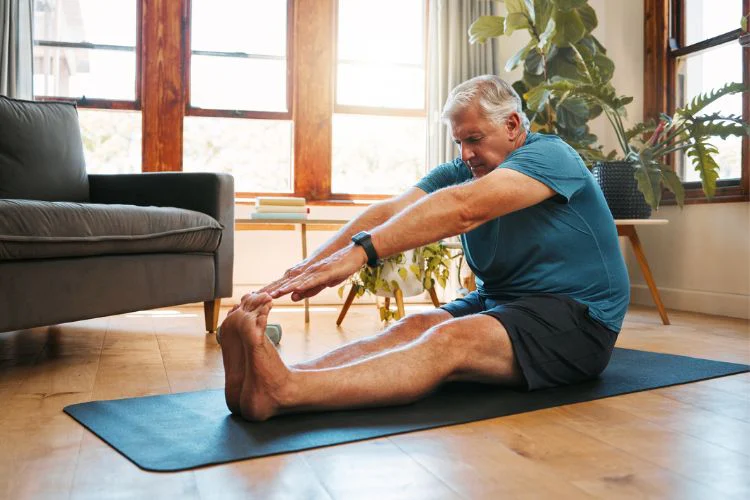
Begin your day with five minutes of gentle stretching. Focus on hips, thighs, and lower back.
Sunlight walk
Take a short walk outside when possible. Even ten minutes can boost circulation and support vitamin D production.
Balanced meals
Include protein, healthy fats, and vitamin rich foods in meals.
Hydration
Drink enough water during the day. Dehydration can worsen feelings of stiffness.
Evening mobility
Light stretching before bed may help reduce overnight stiffness.
None of these habits are dramatic.
But together they create an environment where your body can support stronger muscles and bones.
And this is where many people experience gradual improvement in everyday comfort.
Common Myths About Bone Pain and Vitamins

There are many misconceptions about aches and nutrition.
Let us clear up a few common ones.
Myth 1 Bone pain always means aging
While aging affects bones, lifestyle factors such as nutrition, activity, and sunlight exposure also matter.
Myth 2 More vitamins always mean better results
Taking excessive supplements does not guarantee better health. Balance and proper guidance are important.
Myth 3 Supplements replace healthy habits
Vitamins support the body but cannot replace exercise, nutrition, and sleep.
The truth is that healthy aging usually comes from a combination of factors working together.
And that combination is what supports long term mobility.
Conclusion
Aching hips and tired legs can feel frustrating, especially when they appear during simple daily movements.
While many factors contribute to joint and muscle discomfort, vitamin D plays an important supporting role in bone strength and muscle function.
By paying attention to sunlight exposure, balanced nutrition, and gentle daily movement, many adults can support healthier bones and muscles over time.
The key is consistency. Small habits practiced every day often make the biggest difference.
So the next time your hips feel stiff when you stand up, it might be worth asking yourself one simple question.
Have I given my body the nutrients and movement it needs today?
Frequently Asked Questions
Can low vitamin D cause hip discomfort
Low vitamin D levels may contribute to muscle weakness and reduced bone support, which can influence how the hips and legs feel during movement. However, many factors may contribute to discomfort, so professional guidance is important.
What foods contain the most vitamin D
Fatty fish such as salmon, egg yolks, fortified dairy products, and fortified cereals are commonly recommended dietary sources of vitamin D.
Should older adults take vitamin D supplements daily
Some adults benefit from supplements, particularly if sunlight exposure or dietary intake is limited. The appropriate amount should be discussed with a qualified healthcare professional.
Disclaimer This article is for educational purposes only and does not replace professional medical advice. Always consult a qualified healthcare professional before making changes to your diet, lifestyle, or supplement routine


Nhận xét
Đăng nhận xét